Residential vs Commercial Construction Careers


Published On
2025-10-15
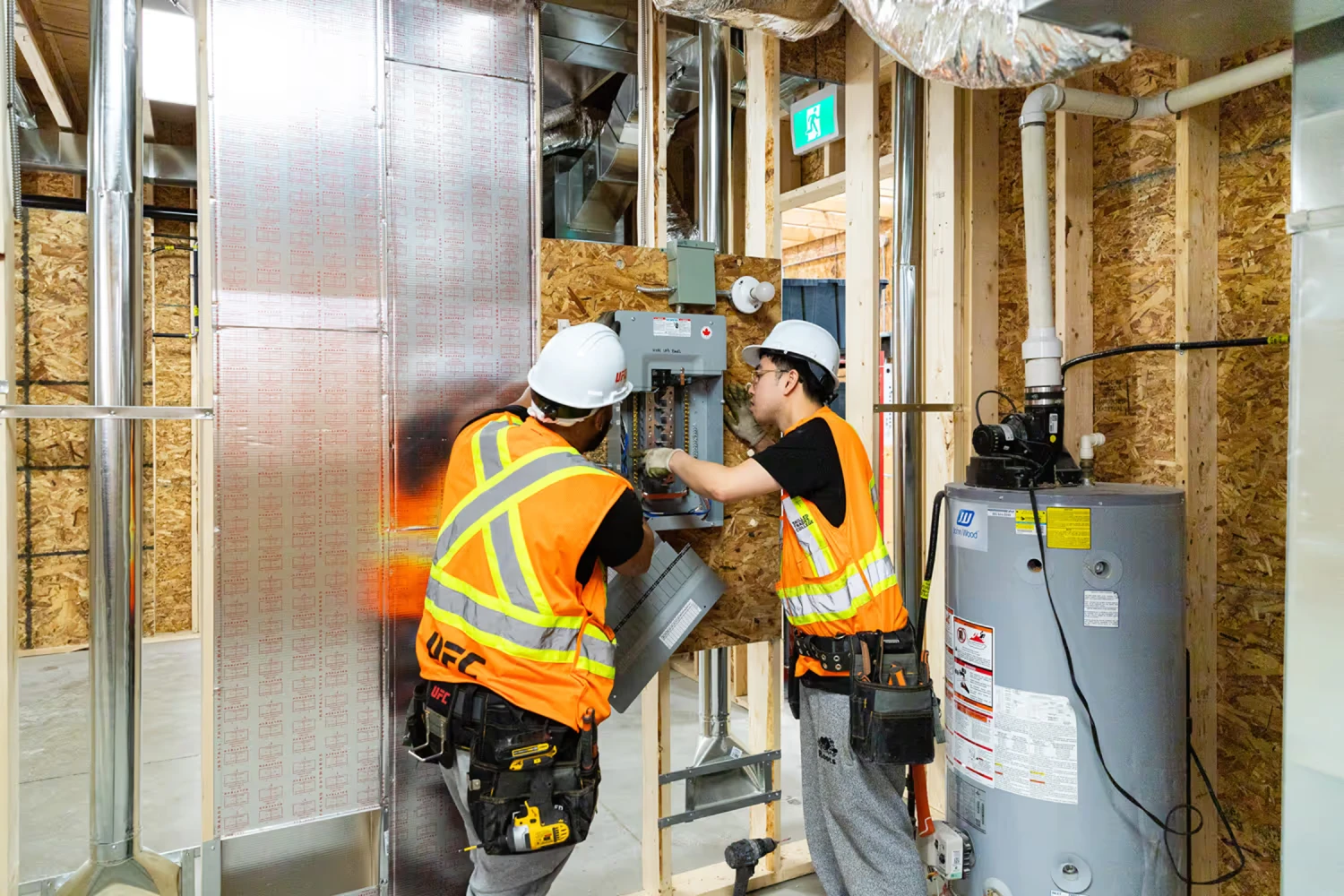
An electrician pre-apprenticeship is school-based training that teaches safety, wiring basics, and job readiness with no sponsor required. Apprenticeship is paid, employer-sponsored training where you accumulate 9,000 hours toward the 309A licence. Most students complete both to become competitive.
Electrical service is a highly in-demand, lucrative, and skilled trade with numerous opportunities. Since it’s a heavily regulated industry, however, becoming a licensed electrician in Ontario requires several steps. Between pre-apprenticeship, apprenticeship, and pre-employment, the process can get confusing:
If you want to get job-ready as quickly as possible, you need a structured approach. Familiarise yourself with industry jargon, create a structured plan of every class you need to take, and prepare the requirements ahead of time. Let’s break down everything you need to become an electrician.
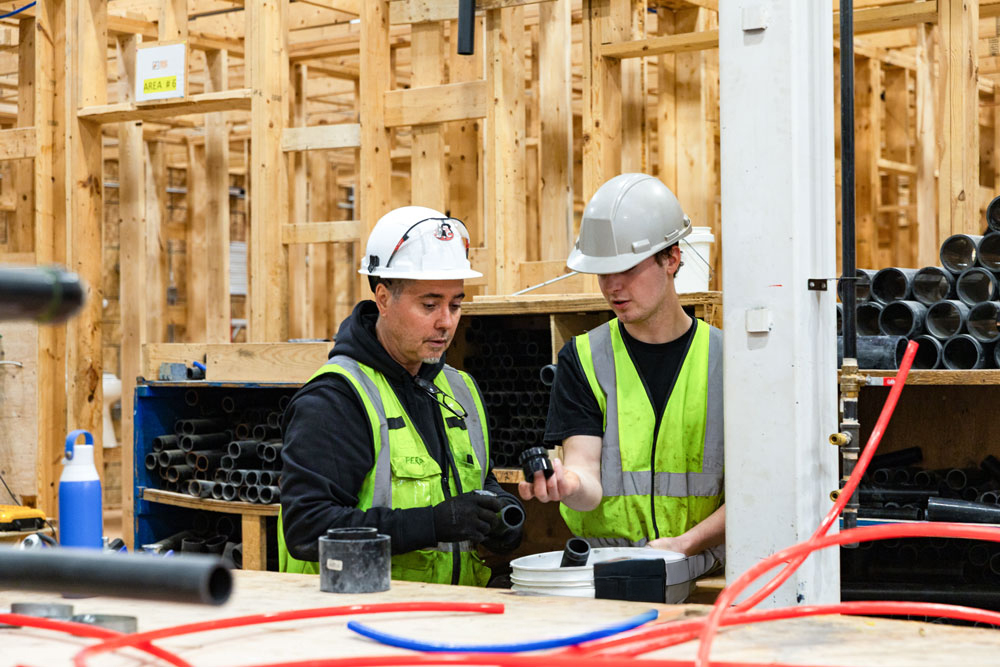
Electrical pre-apprenticeship is a school-based training program that prepares students for apprenticeship. It’s where newbies, i.e., career changers and fresh graduates, gain basic skills and hands-on experience. You’ll become a more competitive applicant for apprenticeship sponsors after completion.
You can either apply through Ontario’s government-funded pre-apprenticeship training programs or enroll in career colleges. Course outlines differ by provider, but you can expect to learn the following:
In Ontario, an aspiring apprentice must complete three stages of training: pre-apprenticeship, apprenticeship, and pre-employment. Each pathway comes with its own eligibility requirements. Let’s have a look:
| Category | Pre-Apprenticeship | Apprenticeship (309A) | Pre-Employment Training |
|---|---|---|---|
| Who it’s for | Newbies, career changers, youth, newcomers with zero electrical experience | Individuals already hired by an employer willing to sponsor them | Jobseekers needing basic employability skills before entering the trades |
| Requirements | Ontario resident; no sponsor needed; most programs don’t require Grade 12 | Must have a sponsoring employer + signed Training Agreement | Minimal requirements; often no technical prerequisites |
| Length | 12 to 20 weeks full-time | 9,000 training hours (5 years), including in-class + on-the-job | Short-term (6 to 12 weeks), varies by provider |
| What you learn | Safety certifications, electrical theory, wiring basics, residential/commercial installation | Advanced trade skills, jobsite experience, code compliance, full technical training | Soft skills, basic tools intro, workplace expectations |
| Sponsor needed? | No | Yes, mandatory | No |
| Outcome | Ready to apply for an apprenticeship + stronger chance of getting hired | Become a licensed 309A electrician after the exam | Improves employability but does not replace technical training |
Note: Pre-apprenticeship and apprenticeship serve different roles in licensing. Completing both is advisable, as most employers prefer candidates with pre-apprenticeship training.
.webp)
Contrary to what many think, pre-apprenticeship and apprenticeship programs have distinct requirements. It’s generally easier to get into pre-apprenticeship. Obtaining a certification will increase your chances of securing an apprenticeship with a well-known company as a sponsor.
To qualify for pre-apprenticeship, you must:
Note: Some providers may list additional requirements, but most government-funded programs and private colleges only expect the basics outlined above.
Government-funded programs typically run 20 to 52 weeks, depending on the provider. They also have lengthy waitlists, so don’t expect to start immediately. If you’re in a rush, look for private colleges. They can walk you through the entire process and get you job-ready in around 12 weeks.
An apprenticeship is a more complex course. Apart from undergoing pre-apprenticeship, here’s what you need to do:
Apprenticeship takes a lot longer than pre-apprenticeship. The Building Opportunities in the Skilled Trades Act, 2021, sets the hours of training at 9,000 hours (roughly five years). 8,160 hours would include on-the-job training, and 840 hours would consist of in-school training.
.webp)
Pre-apprenticeship training provides the opportunity to simulate job-site experience before approaching sponsors. The curriculum tackles basic electrical theory, shop practice, and safe work practices.
Students usually start with the basics (i.e., circuitry, measurements, components). Then, they move into blueprint reading, wiring methods, and tool handling. The second half of the program emphasises installation techniques: residential first, commercial next.
Here’s a quick overview of what to expect:
| Training Module | What You Learn | How It Helps in Apprenticeship |
|---|---|---|
| Workplace Safety Training | WHMIS, Working at Heights, First Aid/CPR, hazard ID, lockout/tagout, ladder/scaffold safety | Meets Ontario jobsite safety requirements; reduces employer liability; enables work on elevated platforms |
| Basic Electrical Theory | Voltage, current, resistance, Ohm’s Law, series/parallel circuits, code introduction | Foundation for troubleshooting, load calculations, and safe installation practices |
| Tool Handling & Jobsite Procedures | Power tools, testers, multimeters, fish tapes, material handling, jobsite etiquette | Students operate tools confidently from day one and require less oversight |
| Residential Prints & Blueprint Reading | Wiring diagrams, symbols, circuit mapping, planning runs, panel locations | Essential for rough-ins, accurate layouts, and understanding journeyperson instructions |
| Residential Installation Methods | NMD90 pulling, device boxes, receptacles, lighting circuits, smoke alarms, terminations, continuity checks | Mirrors typical first-year apprentice tasks in homes and renovations |
| Commercial Installation Methods | EMT conduit bending/cutting, THHN/THWN conductor pulls, fixtures, junction boxes, ceiling grids, 3-phase basics | Prepares students for industrial/commercial job sites and advanced electrical environments |
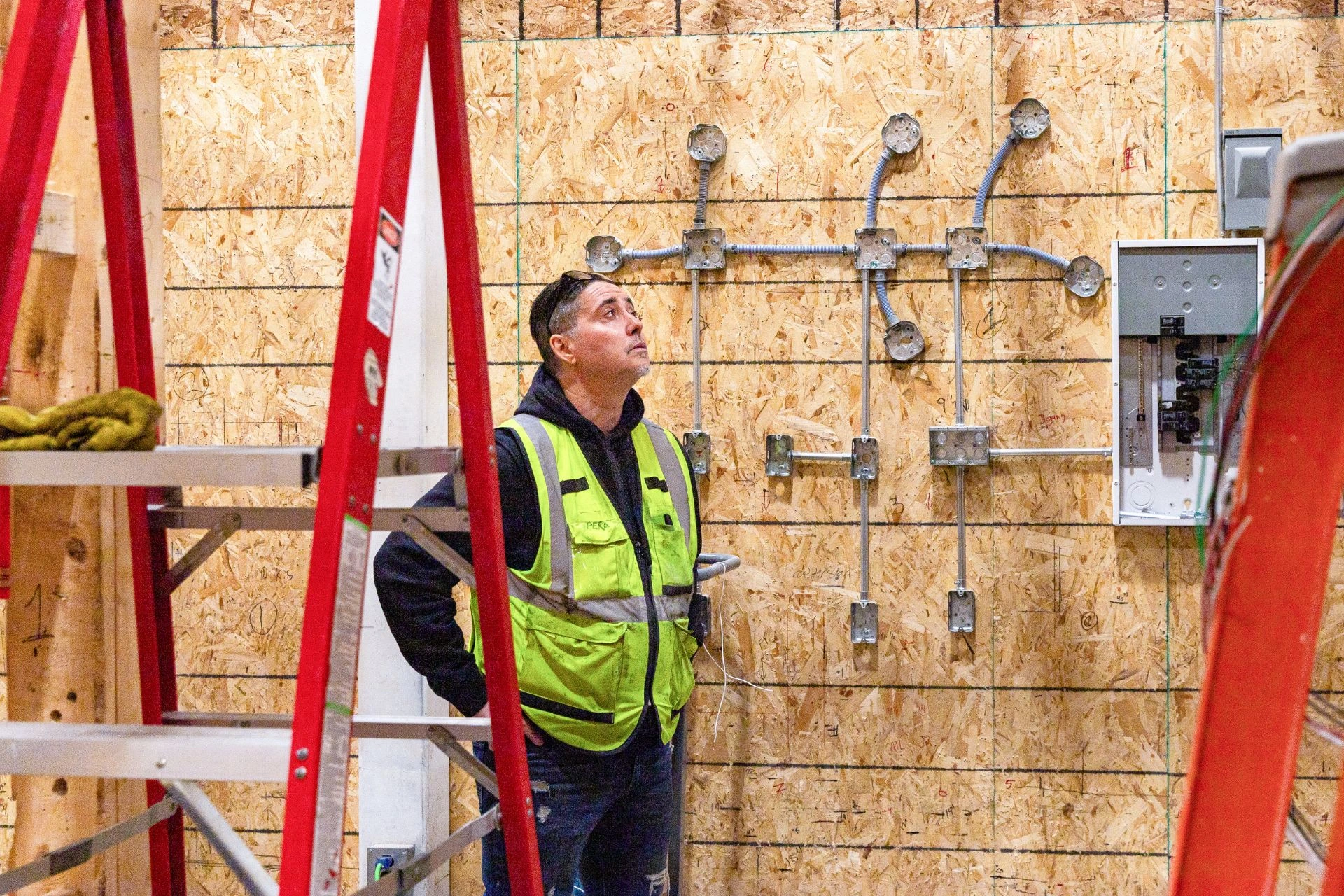
Pre-apprenticeship training is a solid investment that ensures a work placement as a licensed electrician in Canada. However, not all students have the means to apply for the full program. Although limited, there are several grants and scholarships available to aspiring professionals.
The Ontario Government runs the Pre-Apprenticeship Training Program as part of the Skills Development Fund. It’s free for participants. You can get the textbook list, tools, and school materials needed without paying tuition. There’s also a paid work placement at the end of the program.
The biggest downside is the long waiting time. Apprenticeship programs already take several years to complete, so you don’t want to waste another year waiting around for pre-apprenticeship training.
Once you’re a registered apprentice in a Red Seal trade like Construction and Maintenance Electrician (309A), you may qualify for federal funding. The Government of Canada offers the Apprenticeship Incentive Grant (up to $2,000 total during your apprenticeship) and the Apprenticeship Completion Grant ($2,000 upon completion and earning your Certificate of Qualification). They don’t apply to pre-apprenticeship students yet, but they’re essential to keep in mind as you plan your full apprenticeship journey.
Private colleges and industry partners sometimes offer independent scholarships for skilled trades students. For example, Skilled Trades College of Canada previously offered the STC x CIBC Skilled Trades Scholarship. Qualified applicants got a full-ride scholarship. Although the 2024 to 2025 cycle is closed, you can still keep an eye out for similar offers.
A structured, step-by-step approach will help you avoid unnecessary delays. You don’t want to waste weeks making mistakes with intake dates, sponsor agreements, and STO registration.
Here’s what to expect:
Pre-apprenticeship students do not earn wages because they’re undergoing school-based training, not employment. Upon successful completion, however, they can earn about $70,000 per annum. The average Canadian electrician earns between $67,000 and $78,936.
Electrician pre apprenticeship training generally runs for about 12 to 20 weeks.For government-funded programs, expect longer wait times. For quicker selection, choose a private college pre-apprenticeship program.
Pre-apprentices learn foundational electrical theory, basic circuitry, wiring methods, tool handling, and workplace safety procedures (WHMIS, Working at Heights, First Aid/CPR). Their training generally includes lectures and hands-on shop work. Graduates are prepared for entry-level tasks during apprenticeship, i.e., material handling, running cables, assisting journeypersons, and performing safe lockout/tagout procedures.
Instead of spending months waiting for government-funded electrician apprenticeship training, turn to Skilled Trades College of Canada. We offer fast-paced, industry-recognised pre-apprenticeship training. You’ll gain the real-world experience and essential skills you need to be job-ready in just 12 weeks.
Take the first step today! Request the course overview and learn how to join our next intake.

9,281+
LIVES CHANGED
12,481+
WIRES PULLED

85,382+
2X4'S CUT

9,756+
PIPES LAYED
9,281+
LIVES CHANGED
12,481+
WIRES PULLED
85,382+
2X4'S CUT
9,756+
PIPES LAYED
9,281+
LIVES CHANGED
12,481+
WIRES PULLED
85,382+
2X4'S CUT
9,756+
PIPES LAYED


