What Is a Subcontractor?

Published On

Last updated February 2026

A subcontractor, contractor, and engineer discussing a site plan on a construction site

What is a subcontractor in Canada? A subcontractor is a skilled tradesperson hired under a contract to perform specific tasks. Learn about the key differences between a general contractor and subcontractor and how to start your construction career today.

​​A subcontractor in Canada is a skilled professional hired by a general contractor or project manager to complete specific tasks within a larger construction project. While they work on a contractual basis, their expertise ensures that work is up to code and meets the high standards of the construction industry.

At the Skilled Trades College of Canada, we believe trades are the backbone of our economy. Entering this field is a first-choice career path that offers stability and high earning potential. 

In this guide, we will explore what it means to be a subcontractor, their daily responsibilities, and how you can jumpstart your career in just 12 weeks.

What Does a Subcontractor Do?

A subcontractor in Canada performs specialized services that a general contractor might outsource to ensure the highest quality of work. 

They are often independent contractors who specialize in a specific area of construction, like plumbing. Because they operate their own business, they must understand local laws, permits, and safety regulations.

Here’s what specialized subcontracting looks like in the field:

  • Plumbing Subcontractor: These professionals install, maintain, and repair plumbing systems, ensuring water flows smoothly and safely for the community.

  • Electrical Subcontractor: An electrical subcontractor focuses on wiring and lighting, ensuring every job meets strict safety codes.

  • HVAC Subcontractor: These experts manage heating and cooling systems to ensure buildings remain energy-efficient and comfortable.

  • Concrete Subcontractor: They handle the labour and materials required to pour foundations, driveways, and sidewalks.

How Does Subcontracting Work?

When a company or government department initiates a construction project, it often hires a general contractor to oversee the entire project. However, because these projects require a vast range of skills, the contractor will hire subcontractors to perform specific parts of the work.

The general contractor maintains a direct relationship with the client. The subcontractor, acting as a separate party, reports directly to the contractor. This allows them to focus on their craft while the contractor manages the project logistics, costs, and finance.

Learn more: How to Become a General Contractor

A subcontractor and contractor wearing blue protective helmets are discussing site plans

Image source: Shutterstock

Contractor vs. Subcontractor: Key Differences

Understanding the key differences between subcontractor vs. contractor is essential for anyone looking to enter the trades.

Earnings and Relationships

A contractor secures a contract directly with the client. A subcontractor, however, provides services to the contractor for a specific amount of pay. 

While only contractors typically sign the primary agreement with the owner, independent contractors can work for multiple companies to grow their businesses quickly. 

Work Schedule

While contractors define the project timeline, subcontractors must complete their tasks within that window. A tradesperson with a reputation for reliability and efficiency will often be the first choice for future projects.

Learn more: 25 Hands-On Jobs That Pay Well

Insurance and Subcontractor Liabilities

In most cases, an employee is covered by a company's policy, but independent contractors must carry their own insurance. To protect against risks, a subcontractor typically needs their own general liability insurance and workers' compensation insurance. 

An insurance company may also require the subcontractor to list the general contractor as an additional insured on their insurance policy to ensure proper coverage for the entire project.

Job Description

General contractors manage projects from start to finish, ensuring everything runs smoothly. Their day-to-day tasks often include performing precise calculations, reviewing outcomes, and engaging with clients to keep them informed and satisfied. 

Their responsibilities include the following:

  • planning projects
  • coordinating with clients and the workforce
  • hiring subcontractors
  • managing budgets
  • creating schedules
  • procuring materials
  • ensuring safety standards
  • preparing progress reports 


Subcontractors are the muscle behind the work, handling physical tasks and reporting to contractors, not the client.

Two building contractors shaking hands with pipes and wooden planks in front of them.

Image source: Shutterstock

Benefits of Being an Independent Contractor

Choosing a career as a subcontractor is a powerful way to take control of your professional future. This path offers a unique blend of independence and professional growth, allowing you to build a reputation based on the quality of your work.

Flexibility

You have the autonomy to decide which construction projects to take on and manage your own work pace to fit your lifestyle.

Collaboration

Working alongside various contractors and subcontractors allows you to build a massive professional network while gaining diverse, real-world experience across different site areas. 

Specialization

You can focus entirely on your chosen trade, whether it’s plumbing, electrical, or home renovation, and build a business around that niche. 

At Skilled Trades College of Canada, our Intro to Home Renovation program is the perfect starting point for those who want to explore their options. It provides the ultimate hands-on experience, as students work together to build a 1,000 sq ft house with finishes by the end of the 12-week course.

Required Skills for Success on a Construction Project

To succeed in the construction industry, you need more than just technical knowledge:

  • Time management: You must complete your tasks efficiently to keep the project on schedule. 
  • Trade expertise: High-quality training makes you an asset to any general contractor. 
  • Communication: Building a strong relationship with contractors ensures steady work. 
  • Physical endurance: This is a hands-on career that requires strength and the ability to use specialized equipment.

FAQs About Contractor vs. Subcontractor

A subcontractor manages specific parts of a construction job. They provide specialized labour, equipment, and materials needed to complete technical tasks, such as wiring or pipe installation, that a general contractor might otherwise outsource.

The key differences lie in the client relationship. A contractor signs a contract directly with the building owner, while subcontractors are hired by the contractor to handle specific tasks for a set fee.

In the construction industry, common examples include plumbing experts, electrical technicians, and HVAC specialists. These independent contractors are often brought on to a project to ensure that every detail meets local safety codes and quality standards.

You are a subcontractor if you operate your own business and provide services to another company on a contractual basis rather than as an employee. You must manage your own liabilities, insurance policy, and costs.

Key Takeaways

  • Specialized expertise: A subcontractor is an independent contractor hired by a general contractor to perform specific tasks, such as plumbing or electrical work, within a larger construction project.
  • Direct relationships: While the general contractor manages the direct relationship with the client, subcontractors report to the contractor under contractual terms.
  • Insurance requirements: Unlike an employee, a subcontractor is responsible for their own insurance policies, including general liability and workers' compensation.
  • Career flexibility: Contractors and subcontractors enjoy the business autonomy to decide on their own project load and work pace.

Start Your Career with Skilled Trades College of Canada

Now that you know what a subcontractor is, are you ready to get "the skills to pay the bills?" Our pre-apprenticeship programs are designed to get you job-ready in just 12 weeks with an 80:20 hands-on to-classroom ratio.

Whether you’re starting out or are switching paths, we offer personalized guidance and the safety knowledge you need to succeed. Ask us about financial services, like the Scottie Barnes scholarship, that can help fund your education.

Come and book a campus tour in Ajax, Mississauga, Vaughn, Toronto, or Cambridge to see our hands-on learning in action. 

Written by

Mike DiDonato

Chief Operating Officer

Mike Di Donato serves as the Chief Operating Officer at Skilled Trades College of Canada. With 25 years of expertise in business development, partnerships, and enhancing organizational efficiency, he has dedicated a decade to growing the college from one modest campus to six state-of-the-art locations across the Greater Toronto Area. Mike has played a strategic role in forging impactful partnerships—most notably the Building Champions Scholarship in collaboration with NBA Rookie of the Year Scottie Barnes. He has also spearheaded significant marketing initiatives, including establishing STC as the Official Partner of UFC, with visible branding integrations at UFC 297 and the launch of scholarship programs tied to UFC events.

View our Courses

Get Job-Ready
in 12 weeks

9,281+

LIVES CHANGED

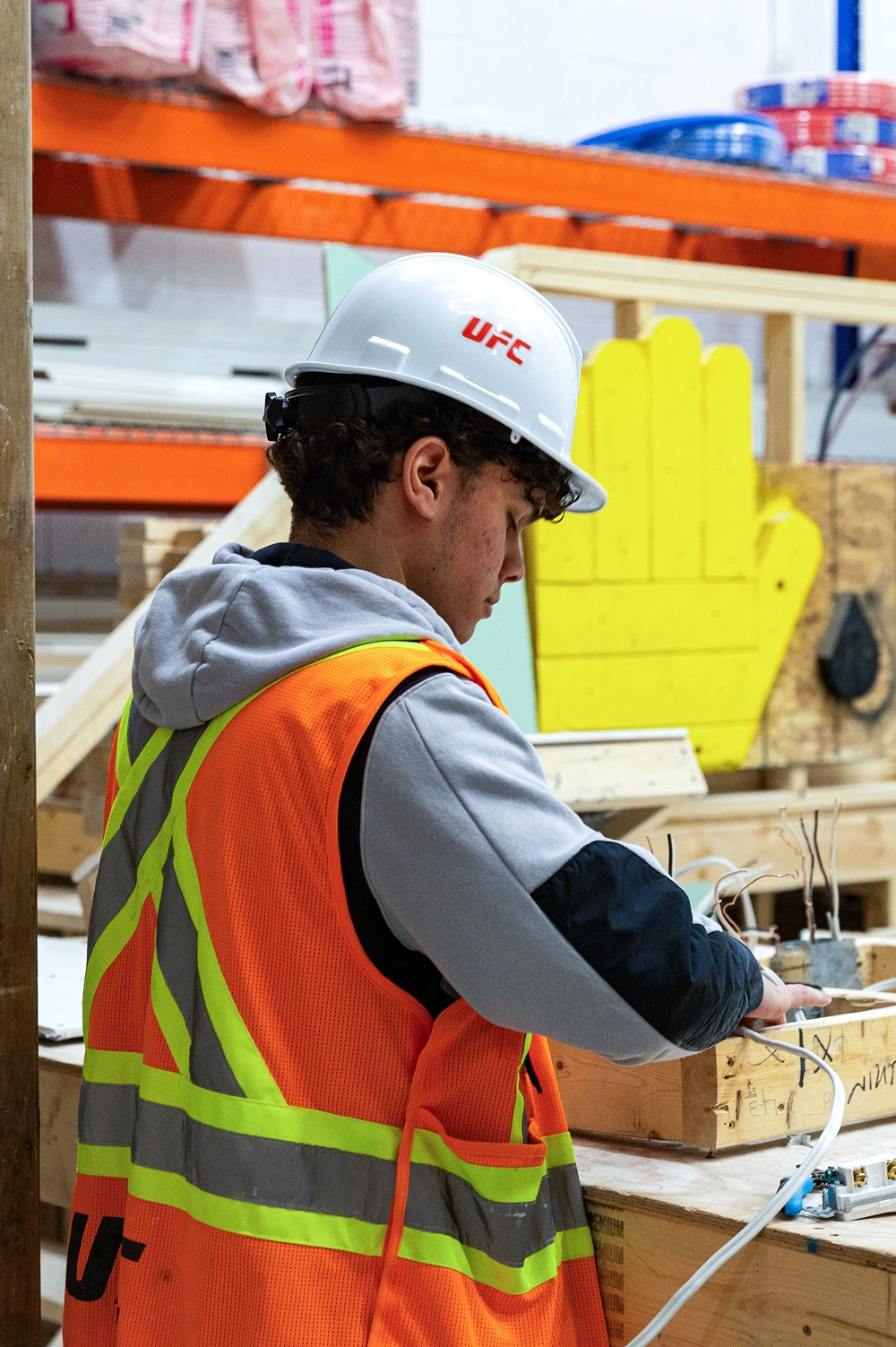
Young man wearing a UFC hard hat and orange safety vest working with electrical wires in a workshop.

12,481+

WIRES PULLED

12,481+ Wires Pulled - Skilled Trades College

85,382+

2X4'S CUT

85,382+ 2X4'S Cut - Skilled Trades College

9,756+

PIPES LAYED

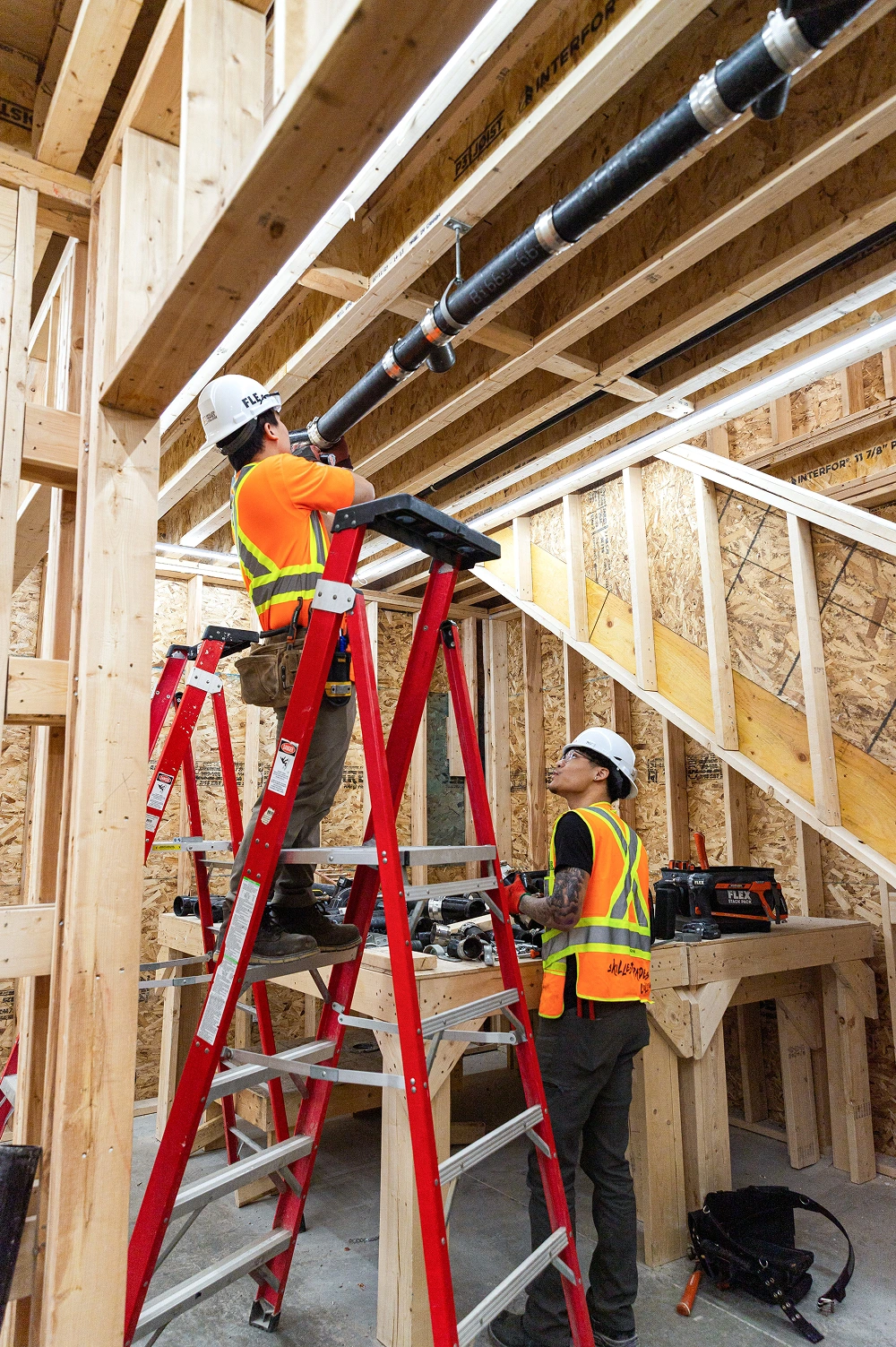
Two construction workers wearing orange safety vests and white helmets installing black pipes in a wooden framed building interior.

9,281+

LIVES CHANGED

Young man wearing a UFC hard hat and orange safety vest working with electrical wires in a workshop.

12,481+

WIRES PULLED

12,481+ Wires Pulled - Skilled Trades College

85,382+

2X4'S CUT

85,382+ 2X4'S Cut - Skilled Trades College

9,756+

PIPES LAYED

Two construction workers wearing orange safety vests and white helmets installing black pipes in a wooden framed building interior.

9,281+

LIVES CHANGED

Young man wearing a UFC hard hat and orange safety vest working with electrical wires in a workshop.

12,481+

WIRES PULLED

12,481+ Wires Pulled - Skilled Trades College

85,382+

2X4'S CUT

85,382+ 2X4'S Cut - Skilled Trades College

9,756+

PIPES LAYED

Two construction workers wearing orange safety vests and white helmets installing black pipes in a wooden framed building interior.