Which Trade Is Right For Me? 7 Questions to Ask Yourself to Know Which Trade to Pursue


Published On
2025-01-29
Last Updated
Jan 2025

Mastering your HVAC tools is the first step toward a successful career in the HVAC industry. This list encompasses the essential equipment every HVAC technician needs in their tool kit, ranging from basic hand tools to specialized equipment.
The tools HVAC service techs use are only as reliable as the specialist wielding them. However, there are a few essentials every HVAC technician should have in their tool bag.
With that in mind, we’ve put together this HVAC tools list to help you on any service call. From personal protective equipment to power tools and basic hand tools, here’s the ultimate HVAC equipment list.
For basic everyday tasks, these are all the HVAC service tools technicians typically use to keep HVAC systems running efficiently.
Whether you’re taking an HVAC pre-apprentice course or working for a business, these are the best HVAC tools for daily operations.
Learn more: How to Get Your HVAC License in Ontario
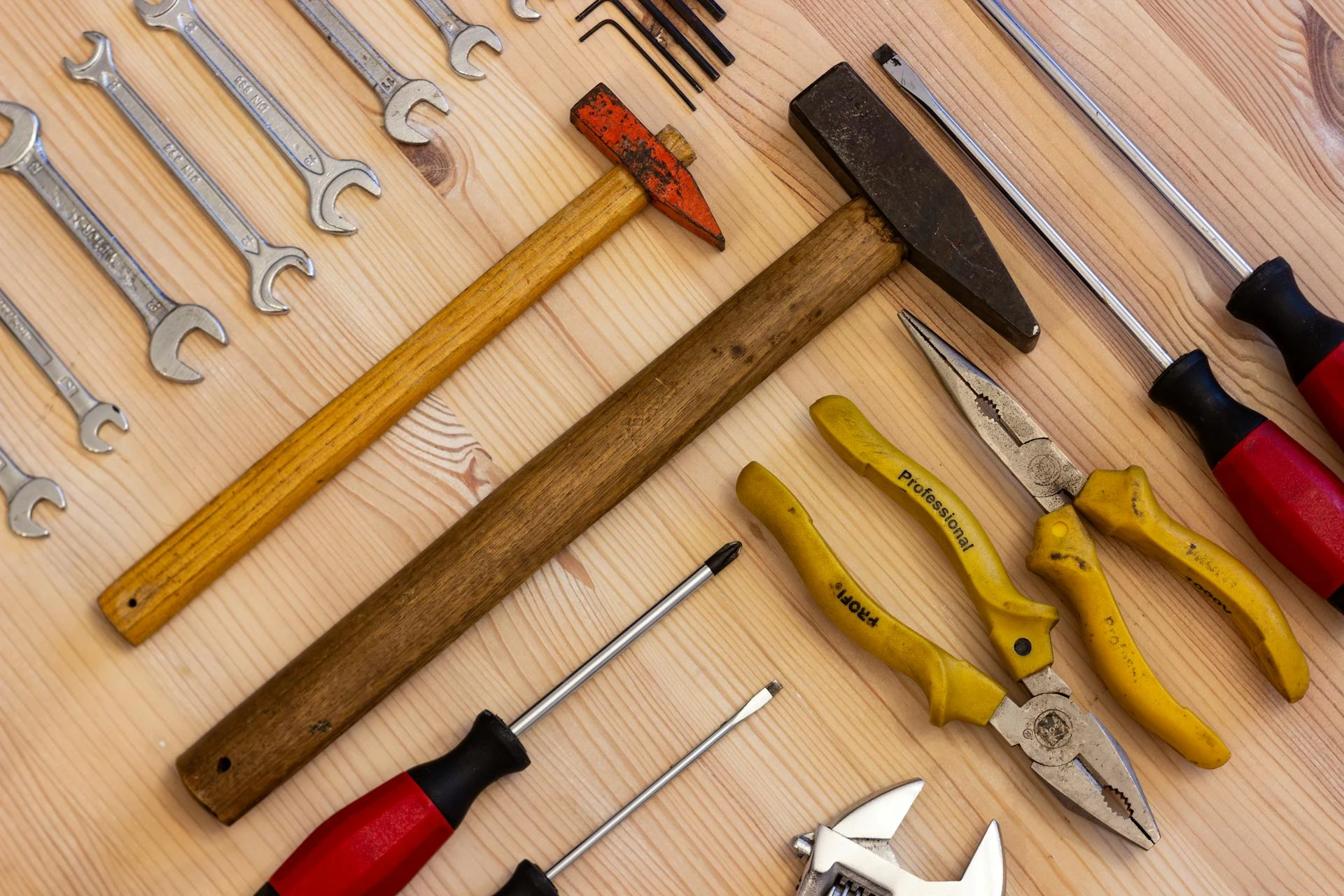
Image Source: Pexels
A level ensures surfaces are perfectly straight. This is a necessity for accurate installations of various HVAC components.
A self-explanatory tool, a tape measure helps technicians take measurements of duct lengths to ensure correct sizing during HVAC service calls.
A handheld thermometer helps HVAC techs check temperature differentials. This allows them to assess performance and determine if repairs are needed for air conditioning systems.
These simple, yet vital, HVAC technician tools cut through sheet metal or ducts. They are used to trim and fit sheet metal for custom ductwork, especially during retrofits.
A utility knife is handy for cutting insulation, tape, and other materials.
One of the power tools used in the HVAC industry, this handheld power saw cuts material that knives and shears cannot. It allows HVAC techs to remove old piping or cut through drywall to access sealed-off HVAC units.
No HVAC equipment list is complete without a good old-fashioned screwdriver. This tool is a must-have for tightening and loosening screws, and it is especially useful when accessing electrical components behind bolted covers.
When faced with hexagonal nuts common in HVAC systems, technicians use hex-head nut drivers. These hand tools allow workers to adjust and access components like fan motor mounts on outdoor condenser units.
Another essential item on the list of hand tools needed for HVAC work, a pipe wrench is used to adjust nuts and bolts of various sizes and secure fittings.
Hammers are useful for a wide range of everyday tasks. A staple gun is also useful for mounting brackets for ductwork and sheet metal work.
HVAC system components are often located in tight spaces, posing a safety hazard for technicians. A flashlight or headlamp allows technicians to see these components clearly.
An inspection mirror allows technicians to view hard-to-see areas during inspections.
A voltage tester measures electrical fields and verifies wiring, making it one of the most essential tools for HVAC systems. Modern HVAC business owners manage their teams using software tools and an HVAC data logger to track performance and financial reports.

Image source: Canva
A manifold gauge set monitors and adjusts refrigerant pressure. A technician uses it when adding refrigerant to a split system to ensure appropriate pressure levels are present.
A vacuum pump is a must-have HVAC tool to clear air and moisture that can diminish the performance of an HVAC system. Additionally, nitrogen regulator gauges are used to pressure test copper and plastic tubing for leaks.
This tool for HVAC service allows technicians to remove and replace Schrader valve cores in refrigerant lines without releasing excessive refrigerant. It’s essential for maintaining sealed systems and improving vacuum efficiency during refrigerant evacuation.
Not just used for home renovations, a caulking gun enables HVAC workers to seal gaps and prevent air or moisture leaks.
The right safety tools are vital for HVAC techs. When cutting sheet metal, safety glasses shield the eyes from metal flakes that can damage vision. For heights, always include a safety harness and a fall protection kit.
A good pair of gloves must be on every complete HVAC tools list. Whether HVAC service techs handle sharp sheet metal or electrical wires, wearing gloves prevents injuries on the job.
Read More: The Importance of Construction Site Safety

Image source: Canva
A good set of pliers helps service technicians grip, twist, and cut wires, as well as remove damaged hardware, such as stripped screws.
An electric drill efficiently drills holes and installs screws. While a hand tool can accomplish the same task, a powerful drill will save time during a service call.
HVAC technicians use these to keep track of measurements, make notes for reference, or mark where a cut needs to be made. You don’t need anything fancy, but no HVAC equipment list is complete without a marker.
How does your tool bag stack up? Now that you know the essential tools and specialized equipment needed for the job, it’s time to brush up on your technique and join a rewarding career in the trades.
Skilled Trades College of Canada offers pre-apprenticeship programs designed to get you job-ready in just 12 weeks. With the right blend of classroom and hands-on learning, you will soon have the skills to match your HVAC and air conditioning tools.
Train for a career that keeps the world comfortable. Contact us today to speak to an advisor or arrange a campus tour.

9,281+
LIVES CHANGED
12,481+
WIRES PULLED

85,382+
2X4'S CUT

9,756+
PIPES LAYED
9,281+
LIVES CHANGED
12,481+
WIRES PULLED
85,382+
2X4'S CUT
9,756+
PIPES LAYED
9,281+
LIVES CHANGED
12,481+
WIRES PULLED
85,382+
2X4'S CUT
9,756+
PIPES LAYED


